

PROBIOTICS AS PREVENTION SARS IN CHILDREN OF EARLY AGE
Main Article Content
Abstract
Prevention and treatment of acute respiratory infections during the period of adaptation of children to DOE continues to be relevant. Specific prevention of ARD to create almost impossible, therefore, increasingly resorting to the means of nonspecific preventive maintenance. One of which is the use of probiotics.
Aim – reduction in the incidence of acute respiratory viral infections in organized early childhood.
Materials and methods. The study included 75 infants attending the nursery, Kindergarten № 239. The main group consisted of 50 children (mean age 28.32 ± 5.65 months).), which in the pre-epidemic period were given a liquid probiotics according to the scheme: during the month 30 minutes before a meal: before dinner «Bifidum BUG» – 3 ml before afternoon tea «Triact» – 3 ml the control group consisted of 25 children (average age of 27.61 ± 6,18 months.).
The results of the study and their discussion. The analysis of the obtained clinical and laboratory results allows us to draw conclusions about the positive effect of liquid probiotics «Bifidum BUG» and «Trilact» produced by «Vector-Bialgam» (Novosibirsk) on the health of children. So, after a month of taking probiotics smears on the flora of the nasopharynx recorded a statistically significant decrease in the number of S. аureus in the throat and nose; Str. Mutans, S. epidermidis, Neisseria sicca, Str. Oralis, Str. Mitis in the nasal passages. The strengthening of local immunity is confirmed by a significant decrease in the number of neutrophils, eosinophils in the nasopharyngeal secretion and an increase in the number of cylindrical epithelial cells, an increase in the level of lysozyme and SIgA, a significant decrease or complete disappearance of pathological changes in the nasopharynx of children. All the guys who took «Bifidum BUG» and «Trilact», came the normalization of the gastrointestinal tract. There is a restoration of appetite and the disappearance of constipation, which in young children are associated with a decrease in the amount of bifidoflora. In the study of the dynamics of the program recorded statistically significant reduction in the number of mucus and white blood cells, improvements in the density of feces. Seven times reduced the number of children, bearers of iodophilic flora – the main indicator of the expressed dysbiotic disorders of the intestine.
The results of follow-up during the year for children of the main group confirm the preservation of the total immune pool and increased nonspecific resistance of the body. Thus, during the period of SARS disease, there were no manifestations of intoxication, appetite and sleep, sufficient motor activity. In the nasopharynx – light catarrhal manifestations in the form of hyperemia of the pharynx, loose posterior wall, mucous discharge from the nose. The duration of the disease was almost halved, and there were no purulent complications (otitis media and pneumonia).
Conclusion. The results indicate the high clinical and microbiological efficacy of probiotic «Bifidum BUG» and «Trilat» NPO «Vector-Bialgam» (Novosibirsk).
The main causes of various diseases of children in the period of adaptation to DOW is a meeting with a new microflora and severe stress. All this leads to the suppression of immunity, disruption of adaptive capabilities of the child and, as a result, the emergence and development of the disease. Timely prophylactic administration of probiotic «Bifidum BUG» and «Trilat» possessing immunostimulating and anti-toxic effect, is able to exert local and systemic anti-inflammatory effect, reduces not only the gastrointestinal but also extraintestinal manifestations of inflammation and gives opportunity to more calmly to adapt the child to visit kindergarten.
Keywords
Author Biographies
Светлана Альбертовна Дракина,
candidate of medical sciences, docent, department of polyclinic pediatrics and propaedeutics childhood diseasesНина Константиновна Перевощикова,
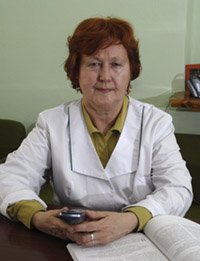
Perevoshchikova Nina Konstantinovna
MD, PhD, professor
She is the Head of the Department of Pediatrics and Propedeutics of Children's Diseases, the Honoured Doctor of the Russian Federation.
All of her work is in close cooperation with practical health care. She gives consultations to more than 800 sick children in various hospitals of the city of Kemerovo and region. She developed new methods of diagnostics and treatment for children with chronic bronchial asthma, which helped to create the City Medical Center for Children and a kind of Asthma-school for children and their parents, that is based on the Children's Clinical Hospital №1.Раиса Николаевна Муратова,
head of the bacteriology laboratoryНаталья Владиславовна Нурмехамитова,
bacteriologistArticle Details
Information about financing and conflict of interests
The authors declare that they have no apparent or potential conflicts of interest related to the publication of this article.
 This work is licensed under a Creative Commons Attribution 4.0 License.
How to Cite
References
Barbashina NV, Zhuk AA. Problems of adaptation of children aged 2-3 years in kindergarten. Bulletin of scientific conferences. 2016; 11-2(15): 17-18. Russian (Барабошина Н.В., Жук А.А. Проблемы адаптации детей в возрасте 2-3 лет в детском саду //Вестник научных конференций. 2016. № 11-2(15). С. 17-18)
Privalova TE, Shadrin SA, Shvets EN. Medical and social aspects of the ineffectiveness of preventive care for preschool children. Pediatric pharmacology. 2008; 5(4): 65-69. Russian (Привалова Т.Е., Шадрин С.А., Швец Е.Н. Медико-социальные аспекты неэффективности профилактической помощи детям дошкольного возраста //Педиатрическая фармакология. 2008. Т. 5, № 4. С. 65-69)
Antigenic and genetic characteristics of influenza A (H5N1) and influenza A (H9N2) viruses and candidate vaccine viruses developed for potential use in human vaccines. Global Alert and Response (GAR). Geneva, WHO 2010, available at: http:// www.who.int/influenza/resources/documents/201009 H5H9 Vaccine Virus Update.pdf
Global Influenza Surveillance Network. Contribute to reducing death and disease due to annual influenza epidemics and prepare for the next influenza pandemic. Global Alert and Response (GAR). WHO 2011
Meeting of the WHO working group on polymerase chain reaction protocols for detecting subtype influenza A viruses. Geneva, June 2010. Weekly Epidemiological Record (WER). 2010; 85(46): 453-460
Drakina SA, Perevoshchikova NK. Nutrition as a factor of adaptation of toddlers to children's educational institution. Mother and Baby in Kuzbass. 2017; 4(71): 9-16. Russian (Дракина С.А., Перевощикова Н.К. Питание как фактор адаптации детей ясельного возраста к детскому образовательному учреждению //Мать и Дитя в Кузбассе. 2017. № 4(71). С. 9-16)
Startseva SE, Krasavina NA. Re-ОRVI and nutrition in preschool children - is there a connection between them? Perm Medical Journal. 2017; 34(5): 95-101. Russian (Старцева С.Е., Красавина Н.А. Повторные ОРВИ и питание у детей дошкольного возраста – есть ли связь между ними? //Пермский медицинский журнал. 2017. Т. 34, № 5. С. 95-101)
Lifshits K, Zakharova IN, Dmitrieva YuA. The effect of intestinal microbiome in normal and pathological conditions on human health. Medical Council. 2017; 1: 155-159. Russian (Лифшиц К., Захарова И.Н., Дмитриева Ю.А. Влияние кишечного микробиома в норме и патологии на здоровье человека //Медицинский совет. 2017. № 1. С. 155-159)
Servin AL. Antagonistic activities of lactobacilli and bifidobacteria against microbial pathogens. FEMS Microbiol. Rev. 2004; 28(4): 405-440
Zakharova IN. Gut microbiota in children: new ideas. Effective pharmacotherapy. Pediatrics. 2012; 5: 52-60. Russian (Захарова И.Н. Микробиота кишечника у детей: новые представления. Эффективная фармакотерапия //Педиатрия. 2012. № 5. С. 52-60)
Lykova EA, Vorobyev AA, Bokovoj AG, Karazhas NV, Еvseeva LF, Rybalkina TA. Disorders of the colon microbiocenosis, immune and interferon status in children with bacterial complications of ARVI and results of their correction with high doses of Bifidumbacterin Forte. Antibiotics and Chemotherapy. 2000; 10: 22-26. Russian (Лыкова Е.А., Воробьев А.А., Боковой А.Г., Каражас Н.В., Евсеева Л.Ф., Рыбалкина Т.А. Нарушения микробиоценоза толстой кишки, иммунного и интерферонового статуса у детей с бактериальными осложнениями ОРВИ и результаты их коррекции большими дозами бифидумбактерина форте //Антибиотики и химиотерапия. 2000. № 10. С. 22-26)
Kornienko EA. Modern ideas about the use of probiotics in children's practice. Medical Council. 2017; 1: 144-148. Russian (Корниенко Е.А. Современные представления о применении пробиотиков в детской практике //Медицинский совет. 2017. № 1. С. 144-148)
Fang H, Elina T, Heikki A et al. Modulation of humoral immune response through probiotic intake. Immunol. Med. Microbiol. 2000; 29: 47-52
Ng SC, Hart AL, Kamm MA et al. Mechanisms of action of probiotics: recent advances. Inflamm. Bowel Dis. 2009; 15(2): 301-312
Wrinkler P, de Vrese M., Laue Ch, Schrezenmeir J. Effect of a dietary supplement containing probiotic bacteria plus vitamins and minerals on common cold infections and cellular immune parameters. Int. J. Clin. Pharm. Therap. 2005; 43(7): 318-326
Lehtoranta L, Pitkaranta A, Korpela R. Probiotics in respiratory virus infections. Eur. J. Clin. Microbiol. Infect. Dis. Published online: 18 march 2014
Kudelskaja N, Izotova GN, Bessarab TP, Nagibina MV, Larushkin YuV. Probiotics as a means of prevention of SARS. Medical Council. 2013; 7: 56-58. Russian (Кунельская Н., Изотова Г.Н., Бессараб Т.П., Нагибина М.В., Ларюшкин Ю.В. Пробиотики как средство профилактики ОРВИ //Медицинский совет. 2013. № 7. С. 56-58)
Suhan NG, Zakharova IN. A probiotic bac set. Results of Russian and foreign clinical trials. Medical Council. 2017; 19: 104-110. Russian (Сугян Н.Г., Захарова И.Н. Мультипробиотик Бак-сет. Результаты российских и зарубежных клинических исследований //Медицинский совет. 2017. № 19. С. 104-110)
Ivanova VV. Comprehensive approach to the restoration of microflora. A modern view of correction of dysbiosis. Novosibirsk, 2011. 44. Russian (Иванова В.В. Комплексный подход к восстановлению микрофлоры. В кн.: Современный взгляд на коррекцию дисбиозов. Новосибирск, 2011. 44 с.)
Ivanova VV. Microflora: the role of violation, correction. Formation of microflora in children of the first year. Vector Bialgam. Series: Scientists – practitioners. Novosibirsk, 2013: 34. Russian (Иванова В.В. Микрофлора: роль нарушения, коррекция. Становление микрофлоры у детей первого года. Вектор БиАльгам. Серия: Ученые – практикующим врачам. Новосибирск, 2013. 34 с.)
Pomogaeva A. P., Kosirina Yu. V., Spolsky G. M. the Use of probiotics in Triact and Bifidum №791 BUG in intestinal infections in children of early age. Siberian Journal of Gastroenterology and Hepatology. 2009; 23: 85-86. Russian (Помогаева А.П., Ковширина Ю.В., Спольская Г.М. Применение пробиотиков Трилакт и Бифидум №791 БАГ при кишечной инфекции у детей раннего возраста //Сибирский вестник гепатологии и гастроэнтерологии. 2009. № 23. С. 85-86)
Kaznacheeva LF, Molokeev VA, Ishkova N, Kaznacheev KS, Mayorov MN. Ed. by Kaznacheeva LF. Methods of correction of dysbiotic disorders of the intestine in children with atopic dermatitis. Teaching aid for students. Novosibirsk, 2003: 86. Russian (Казначеева Л.Ф., Молокеев А.В., Ишкова Н.С., Казначеев К.С., Майорова М.Н. Методы коррекции дисбиотических нарушений кишечника у детей с атопическим дерматитом. Уч.-метод. пособие для студентов /Под ред. Л.Ф. Казначеевой. Новосибирск, 2003, 86 с.)
Zykova NA, Brown TL, Molokeeva NV, Molokeev AV. New drug-eubiotic «Trilact». Successes of modern natural science. 2004; 61: 183-184. Russian (Зыкова Н.А., Карих Т.Л., Молокеева Н.В., Молокеев А.В. Новый препарат-эубиотик «Трилакт» //Успехи современного естествознания. 2004. Т. 1, № 6. С. 183-184)
Molokeev AV, Baibakov VI, Karik TL, Ilina RM, Molokeev NV. In. Prevention and treatment of dysbiosis Bifidobacterium drugs. Novosibirsk, 2002: 20. Russian (Молокеев А.В., Байбаков В.И., Карик Т.Л., Ильина Р.М., Молокеева Н.В. Профилактика и лечение дисбактериоза бифидосодержащими препаратами. Новосибирск, 2002. 20 с.)