

NUTRITION AS A FACTOR OF ADAPTATION TODDLERS TO CHILDREN'S EDUCATIONAL INSTITUTION
Main Article Content
Abstract
Nutrition is one of the most important factors from the moment of birth and participating in shaping the future of health. Complex physiological processes in the organism of the child is the second or third year of life requires a balanced daily intake of all major nutrients.
Purpose: Analysis of actual power and possibilities of its correction in children attending the nursery children's educational institution.
Materials and methods. The work was carried out in two stages. In the first phase of the mother for 14 days recorded the amount actually eaten by the children of servings for dinner on weekdays and full diet on Saturday and Sunday. At the same time for 10 days, we estimated the actual nutrition of children in preschool (in percent from the standard single servings). In the second phase of the study examined the possibility of correction of power.
Results and their discussion. The analysis of the nutrition of children of nursery school and at home it was found that the product set meets the recommended and not limited by the consumption of vegetables, meat, fish, milk and sour-milk products. On the background of physiological correction of nutrition in children in the form of replacement of drinking cow's milk with a mixture of 3 rooms adapted for macro- and micronutrients for this age group, it was noted the positive dynamics of health status. Cropped signs of atopic dermatitis, functional disorders of the intestine, sleep problems, habit, improved appetite, reduced the number of acute respiratory diseases. Improved indicators of local immunity in natalem secret – the increase in lysozyme, secretory IgA. In nasutitermes recorded an increase in the columnar epithelium, a decrease in the number of eosinophils and neutrophils.
Conclusion. Thus, the rational nutrition of children ensures improvement of local immunity and as a consequence of the increasing resistance of the child's body, as evidenced by the decrease in the number of SARS that facilitates easier period of adaptation to the children's educational institution.Keywords
Author Biographies
Светлана Альбертовна Дракина,
candidate of med. sciences, assistant, department of polyclinic pediatricsНина Константиновна Перевощикова,
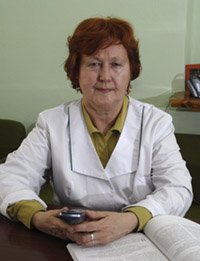
Perevoshchikova Nina Konstantinovna
MD, PhD, professor
She is the Head of the Department of Pediatrics and Propedeutics of Children's Diseases, the Honoured Doctor of the Russian Federation.
All of her work is in close cooperation with practical health care. She gives consultations to more than 800 sick children in various hospitals of the city of Kemerovo and region. She developed new methods of diagnostics and treatment for children with chronic bronchial asthma, which helped to create the City Medical Center for Children and a kind of Asthma-school for children and their parents, that is based on the Children's Clinical Hospital №1.Article Details
Information about financing and conflict of interests
The authors declare that they have no apparent or potential conflicts of interest related to the publication of this article.
 This work is licensed under a Creative Commons Attribution 4.0 License.
How to Cite
References
Tutelian VA, Kon IY. Baby food. M.: MIA. 2013. 774 p. Russian (Тутельян В.А., Конь И.Я. Детское питание. М.: МИА. 2013. 774 с.)
Ladodo KS. Rational feeding of children of early age. M.: Miklosh, 2008. 281 р. Russian (Ладодо К.С. Рациональное питание детей раннего возраста. М.: Миклош, 2008. 281 с.)
Tutelian VA, Kon IYa, Kaganov BS. Nutrition healthy and sick child. M: Dynasty, 2010. 319 p. Russian (Тутельян В.А., Конь И.Я., Каганов Б.С. Питание здорового и больного ребенка. М.: Династия, 2010. 319 с.)
Borovik TE. Nutrition and brain development: the role DSPNIC. Pediatrics. 2012; (2): 67-73. Russian (Боровик Т.Э. Питание и развитие мозга: роль ДЦПНЖК //Педиатрия. 2012. № 2. С. 67-73)
Guseva IM, Borovik TE, Surzhikov AV, Namazova-Baranova LS, Zakharova IN. et al. Nutrition among children aged 12-36 months living in Moscow. Pediatric pharmacology. 2014; (5): 30-39. Russian (Гусева И.М., Боровик Т.Э., Суржик А.В., Намазова-Баранова Л.С., Захарова И.Н. и др. Характеристика питания детей в возрасте 12-36 мес., проживающих в Москве //Педиатрическая фармакология. 2014. № 5. С. 30-39)
Vavilova VP, Perevoshchikova NK. Modern technology in the program of prevention, rehabilitation and adaptation of children in preschool educational institutions. Kemerovo, 2001. 131 p. Russian (Вавилова В.П., Перевощикова Н.К. Современные технологии в программе профилактики, реабилитации и адаптации детей дошкольного образовательного учреждения. Кемерово, 2001. 131 с.)
Berenson GS, Srinivasan SR, Bao W. et al. Association between multiple cardiovascular risk factors and atherosclerosis in children and young adults. N. Engl. J. Med. 1998; 338(23): 650-656
The national program of optimisation of a food of children aged 1 to 3 years in the Russian Federation. The Union of pediatricians of Russia 2nd ed. M.: Pediatrician, 2016. 36. Russian (Национальная программа оптимизации питания детей в возрасте от 1 года до 3 лет в Российской Федерации. Союз педиатров России. М.: ПедиатрЪ, 2016. 36 с.)
Zakharova IN, Surkov EN. The role of polyunsaturated fatty acids in the formation of health of children. Pediatrics. 2009; (6): 84-91. Russian (Захарова И.Н., Суркова Е.Н. Роль полиненасыщенных жирных кислот в формировании здоровья детей //Педиатрия. 2009. № 6. C. 84-91)
Safina AI. Modern approaches to nutrition of children from 1 year to 3 years. Bulletin of Contemporary Clinical Medicine. 2016; 9(2): 77-85. Russian (Сафина А.И. Современные подходы к питанию детей от одного года до трех лет //Вестник современной клинической медицины. 2016. Т. 9, № 2. С. 77-85)
Zakharova IN, Dmitriev YuA. The nutrition of children from 1 year to 3 years. Russian Bulletin of Perinatology and Ppediatrics. 2011; (2): 106-113. Russian (Захарова И.Н., Дмитриева Ю.А. Питание детей от 1 года до 3 лет //Российский вестник перинатологии и педиатрии. 2011. № 2. С. 106-113)
Paavonen EJ, Aronen ET, Tamminen T, Rasanen E., Piha J., Moilanen I., Almqvist F. Poor sleep and psychiatric symptoms at school: an epidemiological study. Eur. Child Adolesc. Psy. 2002; 11: 10-17
Borovik TE, Ladodo KS. Clinical nutrition in childhood. M.: OOO «Medical information Agency», 2008. 608 p. Russian (Боровик Т.Э., Ладодо К.С. Клиническая диетология детского возраста. М.: ООО «Медицинское информационное агентство», 2008. 608 с.)
Birch EE, Khoury JC, Mitmesser SH et al. Impact of early nutrition on resistance to common respiratory infections and allergic illnesses in the first 3 years of life. World Congress of Pediatric Gastroenterology, Hepatology and Nutrition, 2008
Pliner P. Cognitive schemas: how can we use them to improve children’s acceptance of diverse and unfamiliar foods? B.J.N. 2008; 99(1): S2-S6
Gultikova OS. Nutrition of children over the age of a year. Pediatria named after G.N. Speransky. 2009; (5): 76-79. Russian (Гультикова О.С. Питание детей в возрасте старше года //Педиатрия. Журнал им. Г.Н. Сперанского. 2009. № 5. С. 76-79)