

DYNAMOMETRY INDICATORS OF CHILDREN IN PREPARATORY GROUPS OF PRESCHOOL EDUCATIONAL INSTITUTIONS IN KEMEROVO
Main Article Content
Abstract
The aim of the investigation is to study the possibilities of dynamometry indicators for the assessment of muscle strength, power endurance and physical activity of children in preparatory groups of preschool educational institutions in Kemerovo.
Materials and methods. We investigated 392 children studying on the bases of Kemerovo preschool educational institutions, from them: boys 6 years – 118 (mean age – 6 years 6 months ± 2,93 months), 7 years – 86 (mean age – 7 years 2 months ± 2,01 months), girls 6 years – 112 (mean age – 6 years 6 months ± 2,67 months), 7 years – 76 (mean age – 7 years 2 months ± 1,98 months). All children were measured for physiometric indices of muscular strength, power endurance using the technique of wrist dynamometry.
Results and their discussion. The basis for the health of children of different ages is a rational daily routine and its components, in this connection we assessed the physical activity of children during the day at the time of study in preschool preparatory groups by means of double dynamometry: in the morning (8 h a.m.) and in the evening (6 h p.m.). According to the data obtained, more than half of the children had insufficient physical activity during the day, as evidenced by the absence of changes in the dynamometry indices and their decrease.
The difference in the muscular strength parameters of the preparatory group of children aged 6 and 7 years was higher for girls and amounted to 1.01 kg (16.03 %) vs. 0.44 kg (6.03 %) for boys. Parameters of relative strength and strength index among girls were characterized by higher values. Determination of strength endurance showed that girls demonstrated a more pronounced increase in reserves to the ability to create a prolonged muscular effort.
Conclusion. The results of the investigation revealed a high incidence of signs of irrational regime and maladaptive disorders in relation to physical activity. The children of preparatory preschool groups were characterized by low indices of strength endurance and insufficient adaptation to physical activity.
Keywords
Author Biographies
Илья Александрович Селиверстов,
assistant, department of polyclinic pediatrics, propaedeutics of children diseases and postgraduate trainingНина Константиновна Перевощикова,
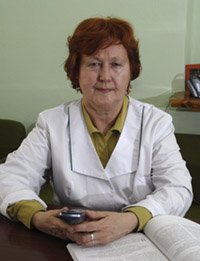
Perevoshchikova Nina Konstantinovna
MD, PhD, professor
She is the Head of the Department of Pediatrics and Propedeutics of Children's Diseases, the Honoured Doctor of the Russian Federation.
All of her work is in close cooperation with practical health care. She gives consultations to more than 800 sick children in various hospitals of the city of Kemerovo and region. She developed new methods of diagnostics and treatment for children with chronic bronchial asthma, which helped to create the City Medical Center for Children and a kind of Asthma-school for children and their parents, that is based on the Children's Clinical Hospital №1.Светлана Альбертовна Дракина,
candidate of medical sciences, docent of the department of polyclinic pediatrics, propaedeutics of children diseases and postgraduate trainingАнна Владимировна Анисимова,
candidate of medical sciences, head of consultative and diagnostic departmentКристина Витальевна Кабанова,
assistant, department of polyclinic pediatrics, propaedeutics of children diseases and postgraduate trainingНаталья Степановна Черных,
candidate of medical sciences, docent, docent of the department of polyclinic pediatrics, propaedeutics of children diseases and postgraduate trainingArticle Details
Information about financing and conflict of interests
The authors declare that they have no apparent or potential conflicts of interest related to the publication of this article.
 This work is licensed under a Creative Commons Attribution 4.0 License.
How to Cite
References
Al-Sabunchi AA, Al-Sabunchi OA. Environmental factors and health of children in developing countries. Eurasian Union of Scientists. 2019; 8-1(65): 37-40. Russian (Аль Сабунчи А.М.А., Аль Сабунчи О.А.М. Экологические факторы и здоровье детей в развивающихся странах //Евразийский союз ученых. 2019. № 8-1(65). С. 37-40.) DOI: 10.31618/ESU.2413-9335.2019.1.65.258
Namazova-Baranova LS, Yeletskaya KA, Kaytukova EV, Makarova SG. Evaluation of the physical development of children of secondary school age: аn analysis of the results of a cross-sectional study. Pediatric Pharmacology. 2018; 15(4):333-342. Russian (Намазова-Баранова Л.С., Елецкая К.А., Кайтукова Е.В., Макарова С.Г. Оценка физического развития детей среднего и старшего школьного возраста: анализ результатов одномоментного исследования //Педиатрическая фармакология. 2018. Т. 15, № 4. С. 333-342.) https://doi.org/10.15690/pf.v15i4.1948
Baranov AA, Kuchma VR, Skoblina NA. Physical development of children and adolescents at the turn of the millennium. M., 2008. 216 p. Russian (Баранов А.А., Кучма В.Р., Скоблина Н.А. Физическое развитие детей и подростков на рубеже тысячелетий. М., 2008. 216 c.)
Blinkov SN. Research of physiometric indicators of physical development of students aged 18-19 years old of the Samara State Agricultural Academy. Uchenye zapiski universiteta imeni P.F. Lesgafta. 2016; 8(138): 27-30. Russian (Блинков С.Н. Исследование физиометрических показателей физического развития студенток 18-19 лет Самарской ГСХА //Ученые записки университета им. П.Ф. Лесгафта. 2016. № 8(138). С. 27-30)
Levushkin SP, Khamzina VA, Blinkov SN. Study of the physical condition of student youth: monograph. Ulyanovsk, 2013. 162 p. Russian (Левушкин С.П., Хамзина В.А., Блинков С.Н. Исследование физического состояния учащейся молодежи: монография. Ульяновск, 2013. 162 с.)
Pashin AA, Anisimova NV, Oparina ON. Monitoring of physical development, physical and functional readiness of student youth: textbook. Penza, 2015. 142 p. Russian (Пашин А.А., Анисимова Н.В., Опарина О.Н. Мониторинг физического развития, физической и функциональной подготовленности учащейся молодежи: учебное пособие. Пенза, 2015. 142 с.)
Lvov SE, Kozyrin EP. Description of the utility model for the patent. Device for dynamometry of the muscles of the flexors and extensors of the lower leg. 2008. P. 1-6. Russian (Львов С.Е., Козырин Е.П. Описание полезной модели к патенту. Устройство для динамометрии мышц сгибателей и разгибателей голени. 2008. С. 1-6)
MP 2.4.4.0011-10. 2.4.4. Hygiene of children and adolescents. Summer health facilities. Methodology for assessing the effectiveness of rehabilitation in out-of-town stationary institutions for recreation and rehabilitation of children. Guidelines. Approved Rospotrebnadzor 24.09.2010. Russian (МР 2.4.4.0011-10. 2.4.4. Гигиена детей и подростков. Летние оздоровительные учреждения. Методика оценки эффективности оздоровления в загородных стационарных учреждениях отдыха и оздоровления детей. Методические рекомендации. Утв. Роспотребнадзором 24.09.2010)
Shchurov VA, Kolchev OV, Butorina NI. Dynamometry of the leg muscles in male patients with diseases of the musculoskeletal system. Genius of Orthopedics. 2007; 3: 63-66. Russian (Щуров В.А., Колчев О.В., Буторина Н.И. Динамометрия мышц голени у больных мужского пола с заболеваниями опорно-двигательной системы //Гений ортопедии. 2007. № 3. С. 63-66)
Pronina NV. Guidelines and assignments for the laboratory work «Research and quantitative assessment of the functional state of skeletal muscles by dynamometry». Simferopol, 2016. 11 p. Russian (Пронина Н.В. Методические указания и задания к лабораторной работе «Исследование и количественная оценка функционального состояния скелетных мышц методом динамометрии». Симферополь, 2016. 11 с.)
Zhosan IA. The heritability of the development of static and dynamic human strength endurance //Pedagogics, psychology, medical-biological problems of physical training and sports. 2008; 5: 40-44. Russian (Жосан И.А. Наследуемость развития статической и динамической силовой выносливости человека //Pedagogics, psychology, medical-biological problems of physical training and sports. 2008. № 5. С. 40-44)
Ministry of Health and Social Development of Russia dated 05.05.2012 N 14-3/10/1-2819 Guidelines «Providing medical care to the adult population in Health Centers» (together with the Guidelines «Providing medical care to the adult population in Health Centers», approved by the Ministry of Health and Social Development of Russia on 23.04.2012.). Russian (Минздравсоцразвития России от 05.05.2012 N 14-3/10/1-2819 Метод. реком. «Оказание медицинской помощи взрослому населению в Центрах здоровья» (вместе с Метод. реком. «Оказание медицинской помощи взрослому населению в Центрах здоровья», утв. Минздравсоцразвитием России 23.04.2012)
Esakov SA. Guide to laboratory studies in age anatomy and physiology. 2004. P. 61. Russian (Есаков С.А. Руководство к лабораторным занятиям по возрастной анатомии и физиологии. 2004. С. 61)
Skomorokh SE. Carpal dynamometry as a method for determining the excitability of the central nervous system. Problems of the development of physical culture and sports in the new millennium. 2015; 1: 242-244. Russian (Скоморох С.Е. Кистевая динамометрия как метод определения возбудимости ЦНС //Проблемы развития физической культуры и спорта в новом тысячелетии. 2015. Т. 1. С. 242-244)
Kireytsev AA, Martusevich NO. Dynamometry as an alternative method for assessing pain sensations. Physical culture, sport, healthy lifestyle in the XXI century: collection of scientific articles of the International Scientific and Practical Conference, Mogilev, December 17-18, 2020. Mogilev, 2021. P. 68-70. Russian (Кирейцев А.А., Мартусевич Н.О. Динамометрия как альтернативный метод оценки болевых ощущений //Физическая культура, спорт, здоровый образ жизни в XXI веке: сб. науч. статей Междунар. науч.-практ. конф., Могилев, 17-18 декабря 2020 года. – Могилев, 2021. С. 68-70)
Bolshev AS, Sidorov DG. Influence of the indices of dynamometry of brush in students on the results of the tests of complex GTO, quality of life and neurologic status. Science Almanac. 2018; 3-1(41): 119-121. Russian (Большев А.С., Сидоров Д.Г. Влияние показателей динамометрии кисти у студентов на результаты испытаний комплекса ГТО, качество жизни и неврологический статус //Научный альманах. 2018. № 3-1(41). С. 119-121)
Drakina SA, Perevoshchikova NK, Burmistrova EYu, Zinchuk SF. Health status of young children depending on their iodine level. Opportunities for correction. Clinical Practice in Pediatrics. 2022; 17(1): 128-134. Russian (Дракина С.А., Перевощикова Н.К., Бурмистрова Е.Ю., Зинчук С.Ф. Состояние здоровья организованных детей раннего возраста в зависимости от уровня обеспечения йодом. Возможности коррекции //Вопросы практической педиатрии. 2022. Т. 17, № 1. С. 128-134)
Peterkova VA, Nagaeva EV, Shiryaeva TYu. Assessment of the physical development of children and adolescents. M., 2017. P. 1-54. Russian (Петеркова В.А., Нагаева Е.В., Ширяева Т.Ю. Оценка физического развития детей и подростков. М., 2017. С. 1-54)